39 regulations require that product labels on containers
Product Labeling Requirements: What You Need To Know - Slator Fully Compliant Retail Labels. No matter what you're selling, ensuring your labels are compliant for your target region is essential. The US, Canada, Mexico, and the EU all require that your product packaging be written in local languages. In Canada, that means your labels need to be in English and French. In Mexico, that means Spanish. › title8 › 5194California Code of Regulations, Title 8, Section 5194. Hazard ... Sep 28, 2018 · (B) Any food, food additive, color additive, drug, cosmetic, or medical or veterinary device, including materials intended for use as ingredients in such products (e.g., flavors and fragrances), as such terms are defined in the Federal Food, Drug, and Cosmetic Act (21 U.S.C. 301 et seq.) and regulations issued under that Act, when they are subject to the labeling requirements of that Act and ...
en.wikipedia.org › wiki › LabelLabel - Wikipedia Labels have many uses, including promotion and providing information on a product's origin, manufacturer (e.g., brand name), use, safety, shelf-life and disposal, some or all of which may be governed by legislation such as that for food in the UK or United States.

Regulations require that product labels on containers
Packaging Materials Regulations in the United States: An Overview The Uniform Packaging and Labeling Regulations (UPLR) serves as a guide for packaging and labeling requirements in the US, and most of its requirements were also adapted by the FPLA, although UPLR covers a wider range of products. So far, the UPLR has been adopted into law in 45 of the 50 US states (except for Louisiana, Minnesota, Rhode Island ... Packaging Guidelines in 21 Code of Federal Regulations Part 211 Packaging for over-the-counter drugs is also specified in 21 Code of Federal Regulations Part 211, Subpart G. Per Code of Federal Regulations Part 211, Subpart G, all over-the-counter drugs should be in tamper-evident packaging. This package should have at least one barrier to entry that could indicate to consumers whether someone tampered with ... CPSC Labeling Requirements Overview | CPSC.gov Summary of Most Common U.S. CPSC Labeling Requirements: Tracking Labels. All children's products must be labeled with tracking information on the product and its packaging, if practicable to do so. Small Parts. The specific small parts labeling requirements for products containing small parts and intended for children between the ages of 3 ...
Regulations require that product labels on containers. Fair Packaging and Labeling Act: Regulations Under Section 4 of the ... The Fair Packaging and Labeling Act (FPLA or Act), enacted in 1967, directs the Federal Trade Commission and the Food and Drug Administration to issue regulations requiring that all "consumer commodities" be labeled to disclose net contents, identity of commodity, and name and place of business of the product's manufacturer, packer, or distributor. Chemical Labelling Requirements | Environmental Health & Safety ... Labels on purchased chemicals must include: The common name of the chemical. The name, address and emergency phone number of the company responsible for the product. An appropriate hazard warning. The warning may be a single word - "danger", "warning" and "caution" - or may identify the primary hazard, both physical (i.e., water ... Container Labeling Regulations in the Plant and Nursery Industry This article was written to address questions about container labeling regulations for Massachusetts growers. Introduction There have been laws in place for many years regulating the labeling on consumer goods. As the green industry has grown and with the dramatic increase in container plant sales, state and related weights and measures compliance staff have discovered that some long-time ... Labelling requirements - Canada.ca Learn about the requirements for labels on consumer packaging, food, textiles, precious metals and pharmaceutical drugs. ... Tools and guidance on how to properly label your food products. Textile labelling. ... Guide to the Consumer Packaging and Labelling Act and Regulations;
eCFR :: 21 CFR 610.60 -- Container label. The following items shall appear on the label affixed to each container of a product capable of bearing a full label: ( 1) The proper name of the product; ( 2) The name, address, and license number of manufacturer; ( 3) The lot number or other lot identification; ( 4) The expiration date; ( 5) The recommended individual dose, for multiple dose ... Labeling Requirements | US EPA Labeling Requirements. EPA reviews the product label as part of the licensing/registration process for pesticides. The label on a pesticide package or container and the accompanying instructions are a key part of pesticide regulation. The label provides critical information about how to handle and safely use the pesticide product and avoid harm ... › Business--Manufacturing › BusinessPoison Prevention Packaging Act Business Guidance | CPSC.gov Jun 30, 2013 · The rules that tell you what a child-resistant package is and what products require such packaging are published in the Code of Federal Regulations in Title 16, Part 1700. Because the Commission may add new rules from time to time, we recommend that you check periodically for new or revised rules in the Code of Federal Regulations. United States Product Labeling Requirements: An Overview Apparel imported or manufactured in the United States must carry a permanent (e.g. nylon patch or printed) textiles label. Its purpose is to inform the customer of the fiber composition and care. Importer or manufacturer information. Fiber composition (e.g. 100% cotton) ASTM care labels (link)
Labeling of Secondary Containers | Occupational Safety and Health ... The labels do not include the manufacturer's name and address, nor does the label have a hazard statement. Question 1: Does the pre-printed labeling on these bottles suffice for labeling secondary containers in the workplace under 29 CFR 1910.1200(f)(6)(ii)? Response: Yes. Section 1910.1200(f)(6)(ii) requires that workplace labeling include ... Product Labeling Laws - Explained - The Business Professor, LLC Federal agencies heavily involved in product labeling laws include the CPSC, FTC, and FDA. Collectively, federal and state laws require manufacturers to place informative labels and warnings on various types of products based upon product category, materials or substance, and applicable safety standards. Several major laws are discussed below. Compliance FAQs: Packaging and Labeling in the US | NIST There are many regulations, depending on the product, with which a product's label or markings must be in compliance before being sold in the United States. Labeling requirements related to legal metrology (i.e., products and commodities sold in package form by weight, measure or count) must comply with The Fair Packaging and Labeling Act ... Packaging and Labeling - Food and Drug Administration Division of Regulations, Guidance, and Standards ... single labels for individual drug products that ... Tamper-Evident Packaging Labeling requirements include (cont'd): ...
Precision Dynamics Biohazard Labels 3" x 2" Fluorescent Red 500 Per Roll BH-405 from 4MD Medical
Safety Considerations for Container Labels and Carton Labeling to ... 11 Container Label Requirements • Drug Products: minimum requirements under 21 CFR 201.10(i) -Proprietary name (if any) and established name
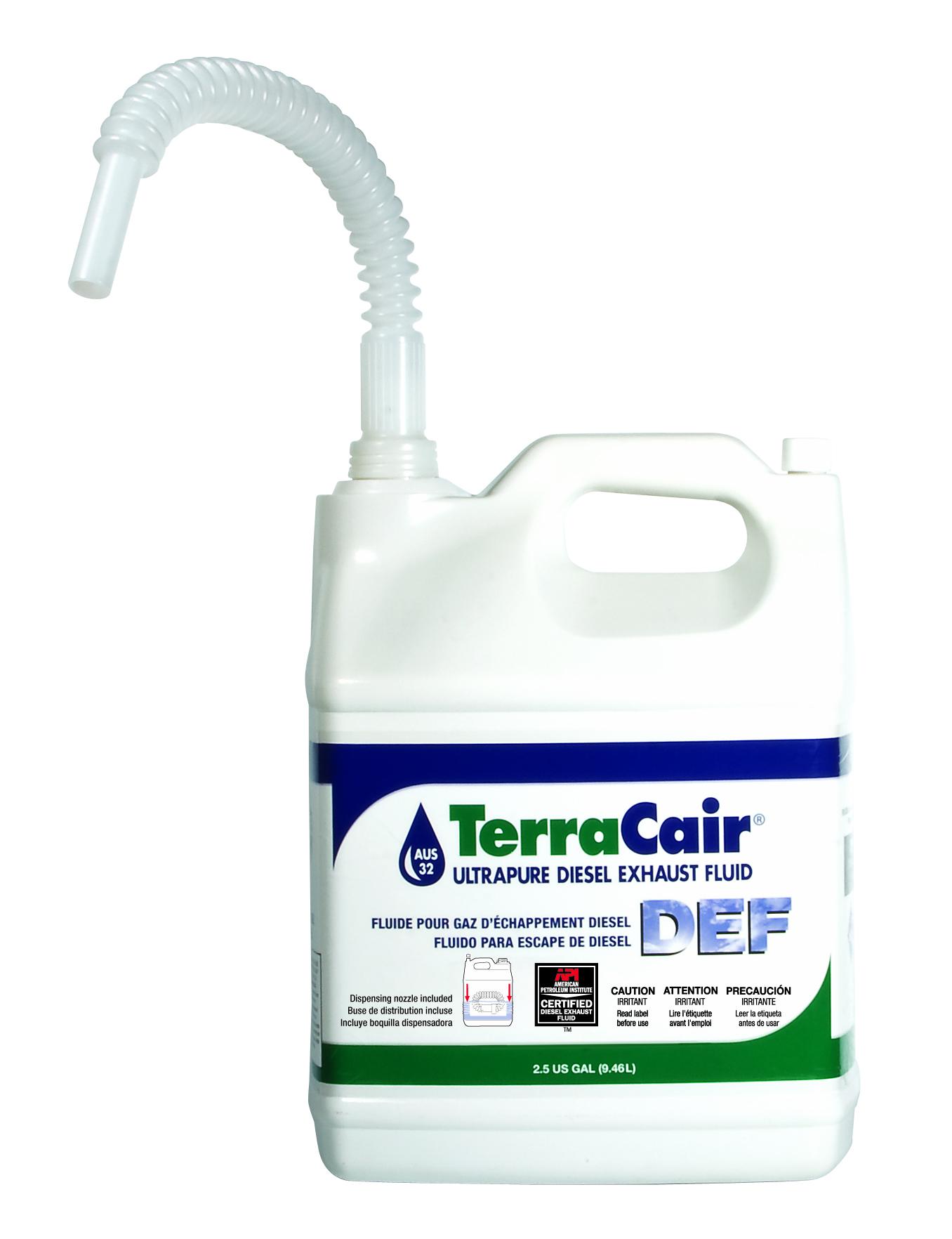
Diesel Exhaust Fluid
› chemicals › whmis_ghsWHMIS 2015 - Labels : OSH Answers May 20, 2022 · (Source: Canada Gazette, Part II, Hazardous Products Regulations, Section 5.12 (1)) Labels will be required to be updated within 180 days of the supplier being aware of the new information. If you purchase a product within this 180 day time period, the supplier must inform you of the changes, and the date they became available, in writing.

eCFR :: 9 CFR Part 317 -- Labeling, Marking Devices, and Containers For all other products for which nutrition labeling is required, including ground or chopped meat products described in § 317.301, nutrition labeling must be provided in accordance with the provisions of § 317.309, except as exempted under § 317.400. ( b) Nutrition labeling may be provided for single-ingredient, raw meat products that are ...

› cosmetics › cosmetics-labelingShelf Life and Expiration Dating of Cosmetics | FDA There are no U.S. laws or regulations that require cosmetics to have specific shelf lives or have expiration dates on their labels. However, manufacturers are responsible for making sure their ...

Hazardous Waste Safety Label: California & New Jersey - Hazardous Waste - Quad City Safety Inc.
Chapter 6: Product Labeling, Regulations, & Label Design & Packaging The regulations focus on eight major food allergens: milk, eggs, fish, shellfish, tree nuts, peanuts, wheat, and soybean. Sesame is being added in 2023. Until that time, you don't have to list sesame as an allergen, although it will appear in your ingredient statement unless it's part of a seasoning.

Solved Regulations require that product labels on containers - Chegg Transcribed image text: Regulations require that product labels on containers of food that are available for sale to the public accurately state the amount of food in those containers. Specifically, if milk containers are labeled to have 128 fluid ounces and the mean number of fluid ounces of milk in the containers is at least 128, the milk processor is considered to be in compliance with the ...

Container Disposal - Nomix Enviro
FDA Food Packaging Guidelines for 2022 | Newprint Required Label Information for Most Food Packaging in Canada. Canadian food labeling regulations also require the name of the product and net quantity to be printed on the PDP. However, other required information can be placed anywhere on the packaging and they include: Common name; Net quantity; Information about primary business or dealer

Label requirements for hazardous waste | 2018-09-23 | Safety+Health Magazine
Packaging and Labeling | NIST The Fair Packaging and Labeling Act (FPLA) and other Federal laws and regulations govern the labeling requirements for most consumer products; however, many products fall only under state laws (NIST Handbook 130-Current Edition). Over the years, packaging and labeling laws and regulations have been introduced and modified to meet marketplace ...
Post a Comment for "39 regulations require that product labels on containers"