39 all hazardous chemical labels must be permanent
UL 969 Labeling and Marking: Standards, Requirements, More - MPC Specifically, UL 969 is the standard for marking and labeling systems used for permanent product identification. Generally, these types of labels are nameplates that are applied to devices, appliances, and equipment that contain rating information, instructions, and schematics. The labels also may include safety-related information such as ... Hazmat Labels and Marking for Shipments: What You Need to Know to Stay ... Labels are used to indicate the hazard of the material being transported and the potential hazards associated with it. Hazmat labels are generally designed in the shape of a diamond (square on point). The hazmat label, however, might differ from one package to another - depending on the materials being transported, the hazard class/division ...
Regulation of Radioactive Materials | NRC.gov The NRC is the Federal agency responsible protecting the health and safety of the public and the environment by licensing and regulating the civilian uses of the following radioactive materials: The NRC regulates the use of these radioactive materials through Title 10, Part 20, of the Code of Federal Regulations ( 10 CFR Part 20 ), "Standards ...

All hazardous chemical labels must be permanent
Labeling Requirements for Hazardous Materials: A U.S ... - C&M Digest Miscellaneous hazard labeling requirements are covered in 49 CFR § 172.446 and lithium-ion battery labeling requirements are covered in 49 CFR § 172.447. For the most part, these different requirements relate to what label must be placed on the product packaging, where the label must go, and what colors must be used. How to Comply with Federal Hazardous Materials Regulations The term "Hazardous Materials" includes all of the following: (1) Hazardous Substances, (2) Hazardous Wastes, (3) Marine Pollutants, (4) Elevated Temperature Material (5) Materials identified in 172.101, and (6) Materials meeting the definitions contained in Part 173. HM REGULATED BY U.S. D.O.T. CLASS 1 EXPLOSIVES DIVISION 1.1 MASS EXPLOSIVE HAZARD Chemical Hygiene Plan | PennEHRS A label is any written, printed, or graphic material displayed on, or affixed to, containers of chemicals. Labels or other forms of hazard warnings, such as tags or placards, provide immediate warning of potential danger. They are used to warn of a variety of potential physical hazards, or health hazards. Expand All Items Manufacturer's Labels
All hazardous chemical labels must be permanent. SOP: Corrosives | PennEHRS - EHRS Home Facility Requirements General Ventilation. Corrosive chemicals may not be handled or stored in a room or facility with recirculating exhaust. Chemical Fume Hood. All work with corrosive chemicals in open or closed systems must be done in a designated area of a laboratory inside of a properly functioning chemical fume hood.. Emergency Irrigation. Emergency irrigation (safety shower, eyewash ... Is Your Warehouse Ready for an OSHA Inspection ... - EHS Daily Advisor Permanent aisles and passageways must be appropriately marked, and any vegetation must be controlled if necessary. If mechanical-handling equipment is used, safe clearances must be maintained for aisles, at loading docks, through doorways, and wherever turns or passage must be made. CRCST: Safety And Risk Management Quiz! - ProProfs Information about chemical or hazardous substances must be available to all employees. A. ... Must be labeled with a copy of the original manufacturer's label or a generic label that identifies hazard warnings and directions. B. Must be labeled with a permanent marker and must state the chemical's name and designated storage location. C. Clothing and Textiles Regulations in the United ... - Compliance Gate The Flammable Fabrics Act (FFA), administered by the Consumer Product Safety Commission (CPSC), is an act that concerns the flammability of clothing, fabrics, carpets, and other textile products manufactured or sold in the United States. It has established flammability standards for clothing textiles, vinyl plastic film, children's sleepwear ...
Maintaining HazCom Compliance and Preparing for Future Changes The key is that they must have access to the exact documents for the exact chemicals they work with, which means you have to maintain the SDS for the chemicals provided by the manufacturer, rather ... Article - Laboratory Safety Manual - University Policies Do not accumulate unneeded chemicals. Laboratory workers should submit EHS hazardous waste pickup requests for all unwanted or expired chemicals or damaged chemical containers. Stairways and hallways cannot be storage areas. Maintain free, unobstructed access to exits and emergency equipment, such as eyewash stations and emergency showers. Frequently Asked Questions on the Container and Containment ... - US EPA Compressed gas cylinders that are refillable containers (defined in 40 CFR § 165.3) must include on the label a refillable container type statement from 40 CFR 156.140(b), such as "Refillable Container. Refill this container with [common chemical name] only. Do not reuse this container for any other purpose." WHMIS 2015 - Labels : OSH Answers 100 mL or less - Exempt only from requirement to have precautionary or hazard statements on the label. 3mL or less - Where the label will interfere with normal use of the product, the product would be required to have a label that is durable and legible for transport and storage, but may be removable during use.
What Required Information Must GHS Labels Include? - MPC In order to comply with OSHA's 29 CFR 1910.1200(e) regulation, companies must develop and maintain a written HazCom plan to document how the company responds to hazardous chemicals. While proper labeling is the foundation of GHS compliance, labels also enable companies to effectively organize inventory and keep it updated. Chemical SafetyNets | Safety Services How to properly identify and label hazardous chemical wastes in order to reduce disposal cost. 35. How to Use a Chemical Fume Hood Safely: Information on how to safely use a chemical fume hood including specialty fume hoods, good work practices, maintaining a protective air barrier, etc. 37. Radioactive Spills, Splashes, and Decontaminatio n Product Labeling Regulations in the US, EU and Australia All products that fall within the scope of CPSIA must carry a "tracking label". The tracking label shall, at a minimum, include the following: Product name Batch ID Importer information Contact details You may also need to attach user instructions and warning labels. FCC Marking & Labeling Your Shipment - Federal Aviation Administration 49 CFR 172.406 states labels must be printed on or affixed to a surface (other than the bottom) of the package or containment device containing the hazardous material and be located on the same surface of the package and near the proper shipping name marking, if the package dimensions are adequate.

courtweek.com - Archives: 2011November 1, 2011The Law of Post-Halloween Legal StandardsToday is ...
WHMIS 2015 - Hazard Classes and Categories : OSH Answers If the product meets any of the criteria for a hazard class, it is known as a hazardous product. All hazardous products must be labelled according to the regulations, and must have a corresponding Safety Data Sheet (SDS). The hazard class and category will be provided in Section 2 (Hazard Identification) of the SDS.
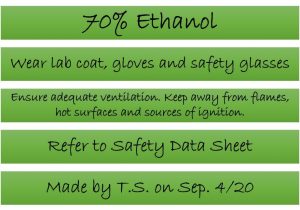
WHMIS Workplace Labeling - Environmental Health & Safety
Are You Ready For OSHA's Wave of New Rules? - EHS Daily Advisor OSHA has requested comment on a permanent standard and scheduled a virtual public hearing on the rulemaking. Most of the industry-specific ETS was allowed to expire, and OSHA withdrew all but the recordkeeping provisions of the emergency rule on December 27.

Chemical Danger Labels | Creative Safety Supply
How to Prevent the Top 10 OSHA Violations - AlertMedia At a minimum, companies must inform their employees about the identities and hazards of chemicals in the workplace. OSHA's rules require chemical manufacturers and importers to prepare labels and safety data sheets that clearly communicate the hazard to their customers. All employers with hazardous chemicals in their workplaces must also:
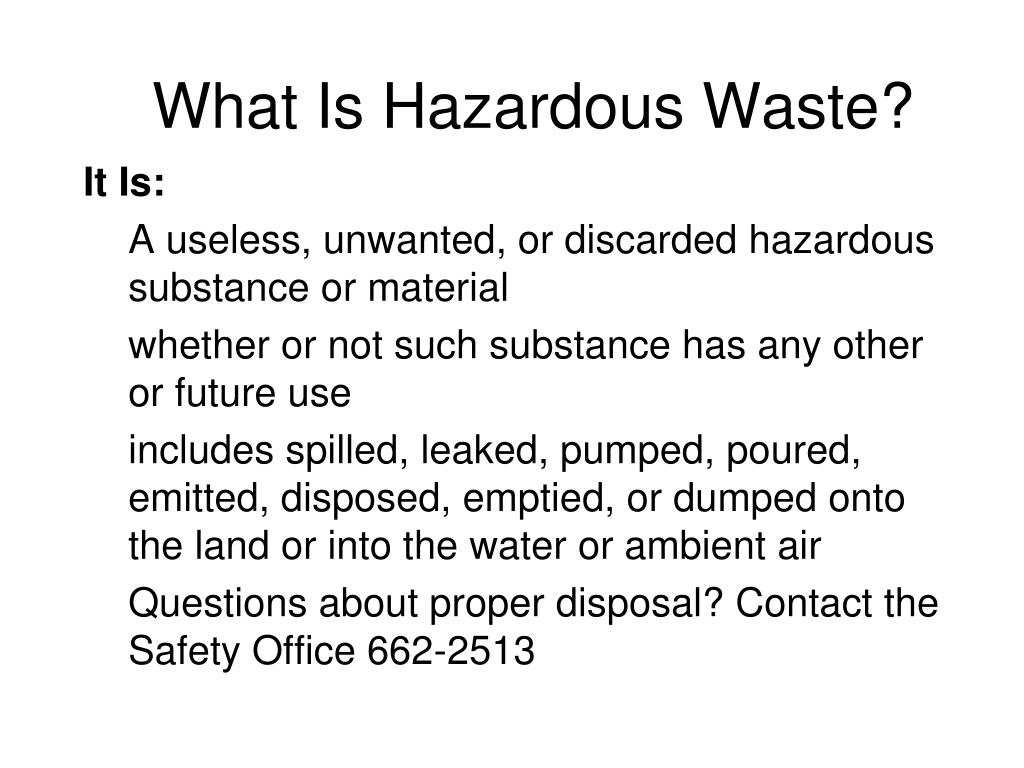
PPT - Management of Hazardous Materials and Waste - Review PowerPoint Presentation - ID:6447938
General Chemical Safety Guidelines - Link Family Communicate hazards to everyone in the facility. Follow basic safety procedures. Use engineering controls. Use PPE as needed or required. Follow requirements for high hazard chemicals. Prepare for accidents and emergencies. Dispose of chemical waste according to UCSD guidelines. Expand All Contact the EH&S Chemical Hygiene Officer, (858) 822-1579.

Digital SRA3™ - Stock - PFW Labels
Frequent Questions About Hazardous Waste Generation | US EPA All the hazardous waste must be managed according to 40 CFR section 262.17. Among other standards, there are limits on the amount of time the waste may be accumulated and the type of containers used to accumulate it. The two smaller classifications, very small quantity generator (VSQG) and small quantity generator (SQG) both have maximum amounts.
PPT - GLOBAL GAP PowerPoint Presentation, free download - ID:242272
Chemical Hygiene Plan - University of California, San Diego Note: The Chemical Hygiene Officer shall review and evaluate the effectiveness of the Chemical Hygiene Plan at least annually and update it as necessary. Last reviewed on March 30, 2022. Never work alone when hazardous chemicals are involved. Expand All Hazardous chemical definition Regulatory background Responsibilities Safety training
Hazardous Materials Labels: GHS Labels | Our Videos | Mastery Training Services
Hazardous Energy Control - Lockout/Tagout | EHS Hazardous energy controls are generally known as Lockout/Tagout, or LOTO, and consist of locks and tags applied to energy-isolating device (s) on equipment that contains the hazardous energy source (s). The UW Hazardous Energy Control LOTO Program Manual includes: Processes to identify and isolate hazardous energy sources
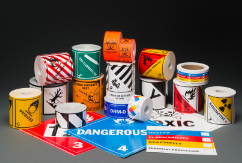
Premium Custom Printed Labels | Pre-Printed Labels | Pressure Sensitive Labels | America's ...
How to Label Hazardous Waste Containers Properly The Code of Federal Regulations (CFR) Title 40 262.34 covers guidelines for generators of hazardous waste. Any hazardous waste generator who stores or disposes such waste is also required to comply with 40 CFR parts 264 - 266 and parts 268 and 270. All hazardous waste containers (of any kind) are to be labeled with the words 'Hazardous Waste'.
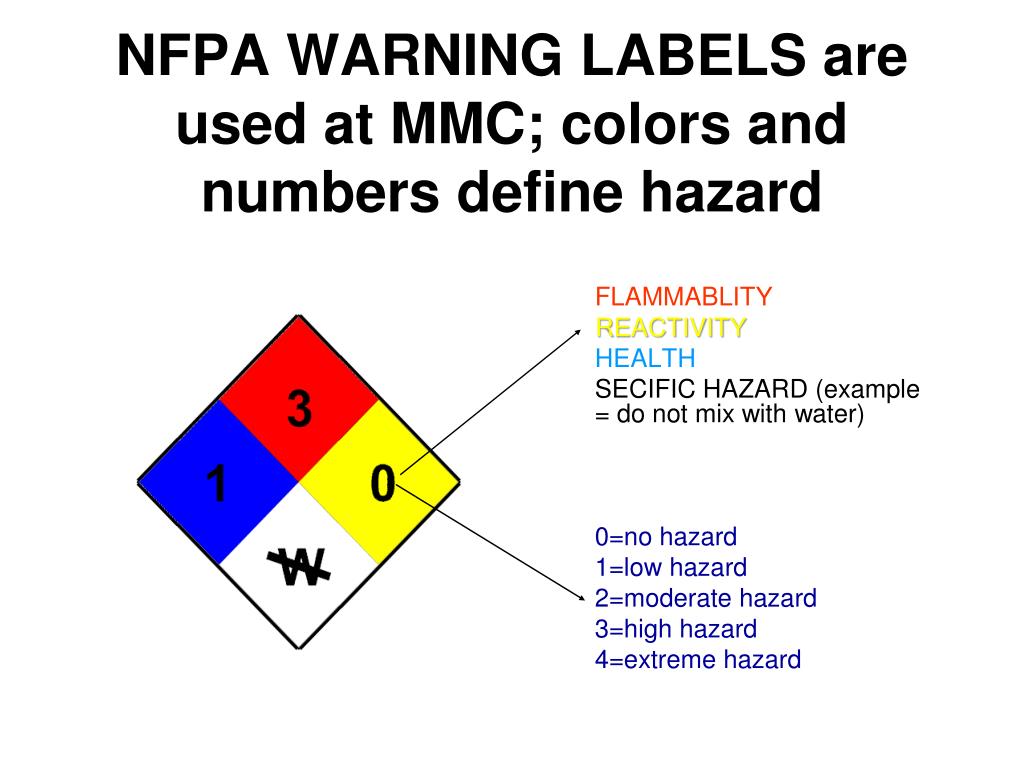
PPT - Management of Hazardous Materials and Waste - Review PowerPoint Presentation - ID:6447938
GHS Label Requirements, Guidelines, and Best Practices In general, "Danger" is usually reserved for chemicals that can cause immediate harm or permanent damage. Less immediate hazards use "Warning." For example, flammable materials use "Danger" as their signal word, while combustible materials use "Warning." Only one word is used on the label.

Chemical Danger Labels | Creative Safety Supply
Chemical Hygiene Plan | PennEHRS A label is any written, printed, or graphic material displayed on, or affixed to, containers of chemicals. Labels or other forms of hazard warnings, such as tags or placards, provide immediate warning of potential danger. They are used to warn of a variety of potential physical hazards, or health hazards. Expand All Items Manufacturer's Labels

OSHA High Voltage 480 Volts Sign With Symbol ODE-28597
How to Comply with Federal Hazardous Materials Regulations The term "Hazardous Materials" includes all of the following: (1) Hazardous Substances, (2) Hazardous Wastes, (3) Marine Pollutants, (4) Elevated Temperature Material (5) Materials identified in 172.101, and (6) Materials meeting the definitions contained in Part 173. HM REGULATED BY U.S. D.O.T. CLASS 1 EXPLOSIVES DIVISION 1.1 MASS EXPLOSIVE HAZARD

Chemical Labels
Labeling Requirements for Hazardous Materials: A U.S ... - C&M Digest Miscellaneous hazard labeling requirements are covered in 49 CFR § 172.446 and lithium-ion battery labeling requirements are covered in 49 CFR § 172.447. For the most part, these different requirements relate to what label must be placed on the product packaging, where the label must go, and what colors must be used.

Safety Labels, Safety Warning Labels, Safety Decals | SafetySign.com

Warning chemical hazard label | ANSI2001 | Label Source | Labels, Clear labels, Chemical

Right To Know Labels w/ Hazard Key, Remarks, MSDS # etc. Entries, 25/Pkg - Safety Emporium

Non Hazardous Labels & Environmentally Safe Labels|Labelservice

China Customized Permanent Warning Stickers Manufacturers and Factory - MOONSTAR
Post a Comment for "39 all hazardous chemical labels must be permanent"