42 goto and labels in c
Discover Goto and Labels in C++ - Learn C++ Discover Goto and Labels in C++ The goto statement is used to jump to a label that provides an unconditional jump from the goto to a labeled statement in the same function. We can also do the same loops as the same in for () while () loops by using goto statement. C goto Statement - Programiz Should you use goto? If you think the use of goto statement simplifies your program, you can use it. That being said, goto is rarely useful and you can create any C program without using goto altogether. Here's a quote from Bjarne Stroustrup, creator of C++, "The fact that 'goto' can do anything is exactly why we don't use it."
C goto Statement - W3schools goto label; A label is an identifier required for goto statement to a place where the branch is to be made. A label is a valid variable name which is followed by a colon and is put immediately before the statement where the control needs to be jumped/transferred unconditionally. Syntax:

Goto and labels in c
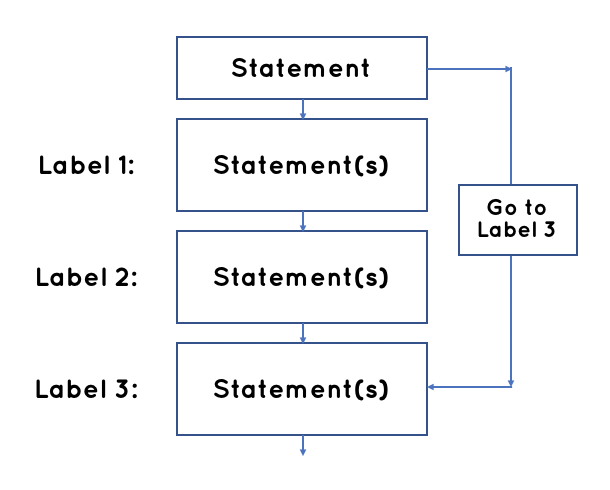
goto statement in c || CseWorld Online When a goto statement is encountered in a C program, the control jumps directly to the label mentioned in the goto statement Syntax goto label_name; .. .. label_name: C-statements c - How do multiple goto labels work - Stack Overflow It is not code, the label itself is not executed. The goto statement "jumps" to the statement labelled (prefixed) with the label that is present in the goto statement. The code continues to run from there and the execution follows all the rules as before (regarding if/else branches, loops, return, all the stuff). goto statement in C - Codeforwin Syntax of goto statement label: goto label; Parts of goto statement. goto is divided in two parts, label definition and goto keyword. Label is a valid C identifier followed by colon symbol :. Label specifies control transfer location. Each label work as a bookmark to specific location. You are free to define any number of labels anywhere inside ...
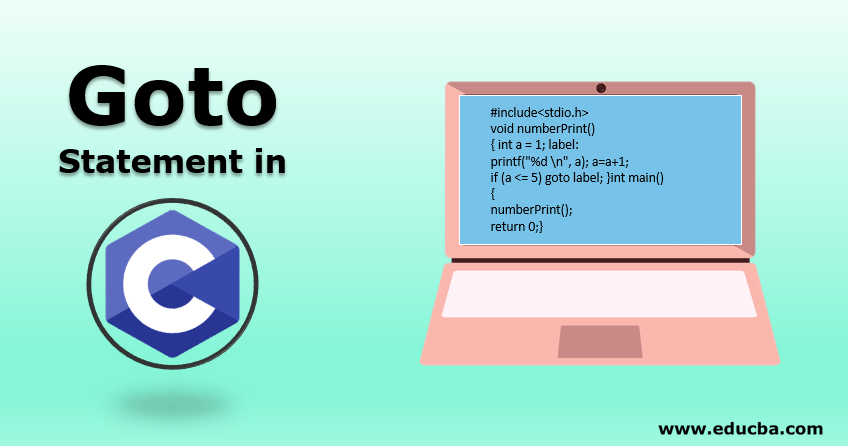
Goto and labels in c. goto Statement in C++ | How does goto Statement Work in C++? - EDUCBA Introduction to goto Statement in C++. goto statement is a jump control statement that make use of goto keyword to control the flow of the program by jumping to other statements following the label name within functions. goto statement uses label name to jump to other statements, the label name is user defined identifier which uses a colon to ... Goto and Labels in C - TutorialAndExample A Label in C is used with goto and switch statements. A label is followed by a colon and what makes it special is that it has the same form as a variable name. Also,it can be adjoined with any statement in the same function as the goto. The label differs from the other statements of its kind is the scope. goto statement - cppreference.com Used when it is otherwise impossible to transfer control to the desired location using other statements. Syntax attr(optional) goto label ; Explanation The goto statement transfers control to the location specified by label. The goto statement must be in the same function as the label it is referring, it may appear before or after the label. 7.6 — Goto statements - Learn C++ - LearnCpp.com In the chapter on object scope (), we covered two kinds of scope: local (block) scope, and file (global) scope.Statement labels utilize a third kind of scope: function scope, which means the label is visible throughout the function even before its point of declaration.The goto statement and its corresponding statement label must appear in the same function.
goto - Arduino Reference The use of goto is discouraged in C programming, and some authors of C programming books claim that the goto statement is never necessary, but used judiciously, it can simplify certain programs. The reason that many programmers frown upon the use of goto is that with the unrestrained use of goto statements, it is easy to create a program with undefined program flow, which can never be debugged. Use of goto statement in C programming - Aticleworld Some important point related to goto statement in C 1. There should be one statement after the label. If there is no statement occur after the label, then you will get the compiler error. See the below example, Error: label at end of compound statement Goto statement and labels in C - C Programming Simple Steps The goto statement in C The goto statement moves the execution of the program to another statement. The transfer of the control is unconditional and one-way. Syntax and rules The label : Must be defined within a function Each label in one function must have a unique name. It cannot be a reserved C word. Local Labels in C - GeeksforGeeks Everybody who has programmed in C programming language must be aware about "goto" and "labels" used in C to jump within a C function. GCC provides an extension to C called "local labels". Conventional Labels vs Local Labels Conventional labels in C have function scope. Where as local label can be scoped to a inner nested block.
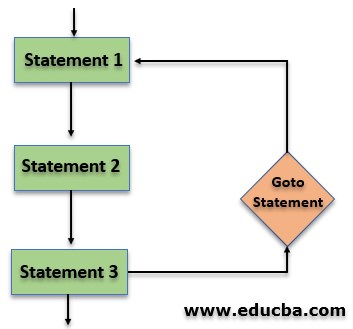
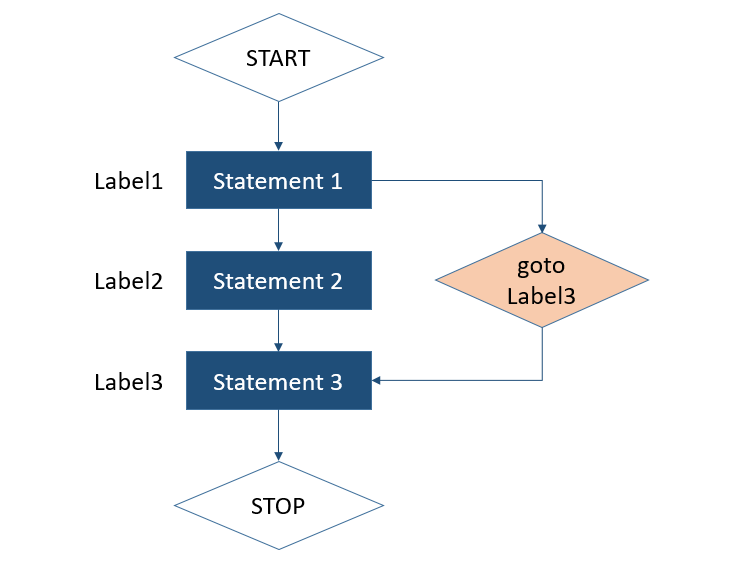
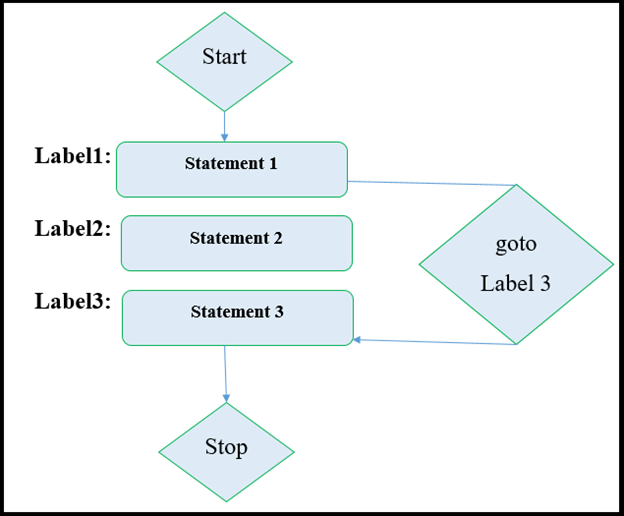
goto statement in C language - ssonline coding goto label; Here label is an identifier used to label the target statement to which the control would be transferred Control may be transferred to any other statement within the current function. The target statement must be labelled and it must be followed by a colon. The target statement will appear as: label: statement; goto statement in C and C++ - TutorialAndExample Syntax1 | Syntax2 -----goto label_name; .. .. .. label_name: C-statements. The first line in the syntax above tells the compiler to go, or jump to, the statement marked as a label. The label here is a user-defined identifier indicating the target declaration. The statement followed immediately after 'label:' is the state of destination. C - goto statement with example - BeginnersBook C - goto statement. When a goto statement is encountered in a C program, the control jumps directly to the label mentioned in the goto stateemnt Syntax of goto statement in C. goto label_name; .. .. label_name: C-statements Flow Diagram of goto. Example of goto statement C# goto (With Examples) - Programiz Here, label is an identifier. When goto label; is encountered, the control of the program is transferred to label:. Then the code below label: is executed. Working of goto in C#. Example: C# goto using System; namespace CSharpGoto { class Program { public static void Main(string[] args) {

Goto Statement In C++ | Goto Statement examples | Edureka
goto Statement (C++) | Microsoft Docs In this article. The goto statement unconditionally transfers control to the statement labeled by the specified identifier.. Syntax goto identifier; Remarks. The labeled statement designated by identifier must be in the current function. All identifier names are members of an internal namespace and therefore do not interfere with other identifiers.. A statement label is meaningful only to a ...

Goto Statement in C with Example - YOC
Labels and goto — librambutan prerelease documentation Labels and goto ¶. A label gives a name to a line of code within a function. You can label a line by writing a name for it, then a colon (:), before the line starts.The goto keyword allows program flow to transfer to a labeled line from anywhere within the same function.

goto Statement in C - Scaler Topics
Switch Case and Goto Statement in C with Examples - Tekslate Goto: goto is a keyword, by using goto, we can pass the control anywhere within the program. when we are working with the goto , always it require an identifier called label; Any valid identifier followed by colon is called label. Goto statement is called unstructed programming statement because it breaks the rule of structured programming.

C++ goto Statement
Goto Statement in C# with Examples - Dot Net Tutorials Goto Statement in C# The Goto Statement in C# is used to transfer the control to the labeled statement in the program. The label is a valid identifier and placed just before the statement from where the control is transferred. That means the goto Statement provides an unconditional jump from the goto to a labeled statement in the same function.
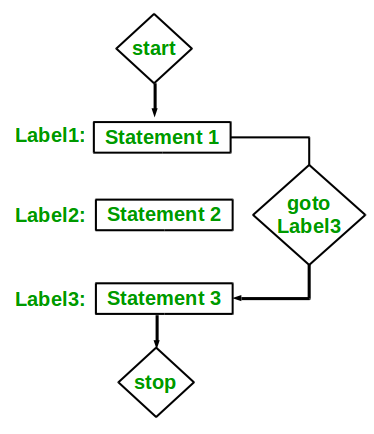
goto statement in C/C++ - GeeksforGeeks
goto statement in C - tutorialspoint.com A goto statement in C programming provides an unconditional jump from the 'goto' to a labeled statement in the same function. NOTE − Use of goto statement is highly discouraged in any programming language because it makes difficult to trace the control flow of a program, making the program hard to understand and hard to modify.

Continue and goto in C - AndroWep - Tutorials Android and Web ...
C++ goto statement - tutorialspoint.com A goto statement provides an unconditional jump from the goto to a labeled statement in the same function. NOTE − Use of goto statement is highly discouraged because it makes difficult to trace the control flow of a program, making the program hard to understand and hard to modify.
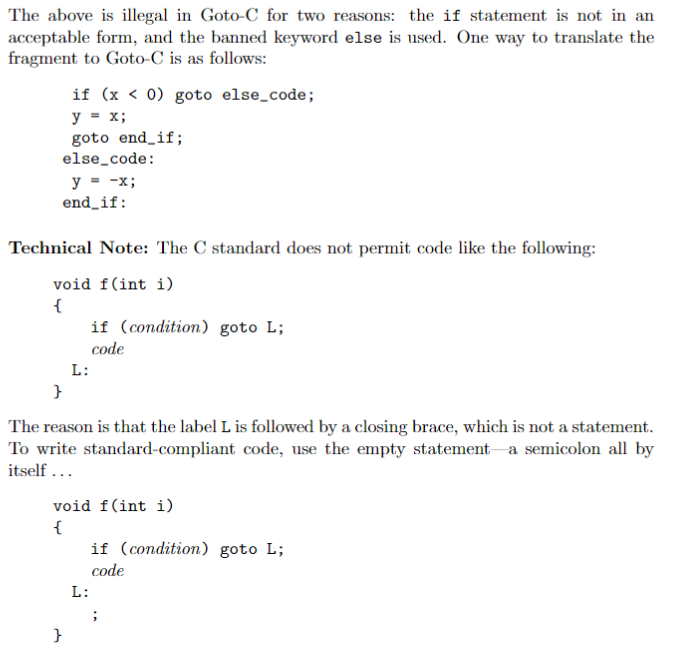
Solved Problem: Convert a C program to a | Chegg.com
goto statement in C/C++ - GeeksforGeeks label: | goto label; In the above syntax, the first line tells the compiler to go to or jump to the statement marked as a label. Here label is a user-defined identifier which indicates the target statement. The statement immediately followed after 'label:' is the destination statement. The 'label:' can also appear before the 'goto ...

C Programming Tutorial - 46: The GOTO Statement
Goto Statement in C - Tutor Joe's Goto Statement in C The goto statement is a jump statement which is sometimes also referred to as unconditional jump statement. The goto statement can be used to jump from anywhere to anywhere within a function. Goto statement in C is a jump statement that is used to jump from one part of the code to any other part of the code in C. Syntax 1 :
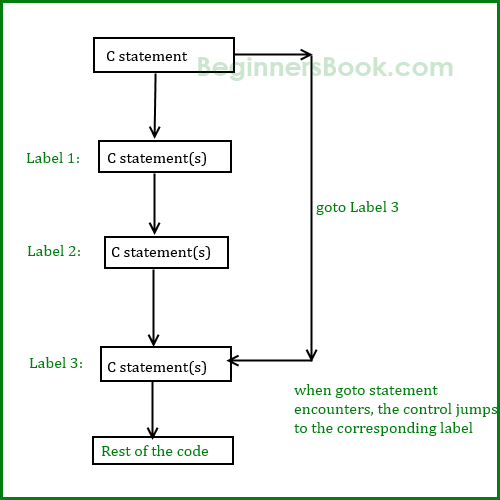
C - goto statement with example
C# Goto Statement How to use goto statement in C# programming? The goto statement is a jump statement that controls the execution of the program to another segment of the same program. You create a label at anywhere in the program then can pass the execution control via the goto statements. Example: using System; using System.Collections.Generic; using System.Linq;
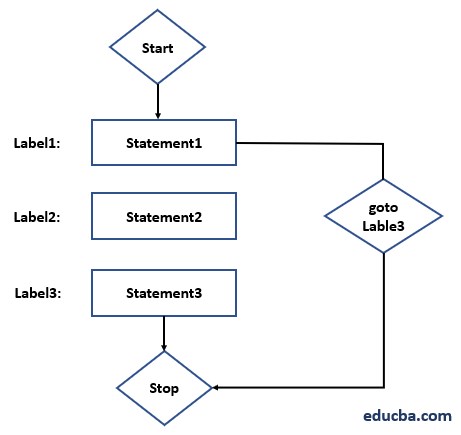
goto Statement in C++ | How does goto Statement Work in C++?
250+ TOP MCQs on Goto & Labels and Answers - FAQs Interview Questions Our C programming questions come with detailed explanation of the answers which helps in better understanding of C concepts. Here is a listing of tough C programming questions on "Goto & Labels" along with answers, explanations and/or solutions: 1. What will be the output of the following C code? Clarification: None. 2.

Information: How To Use goto Statement Using C++ Language in ...
goto and Labeled Statements (C) | Microsoft Docs Labels cannot be redeclared. See Name Spaces for more information. It is good programming style to use the break, continue, and return statement in preference to goto whenever possible. Since the break statement only exits from one level of the loop, a goto may be necessary for exiting a loop from within a deeply nested loop.
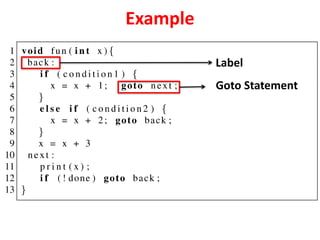
An Empirical Study of Goto in C Code from GitHub Repositories
goto statement in C - Codeforwin Syntax of goto statement label: goto label; Parts of goto statement. goto is divided in two parts, label definition and goto keyword. Label is a valid C identifier followed by colon symbol :. Label specifies control transfer location. Each label work as a bookmark to specific location. You are free to define any number of labels anywhere inside ...
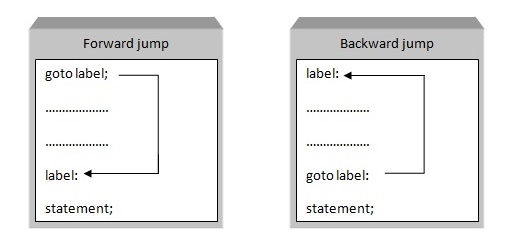
C programming goto statement - Trytoprogram
c - How do multiple goto labels work - Stack Overflow It is not code, the label itself is not executed. The goto statement "jumps" to the statement labelled (prefixed) with the label that is present in the goto statement. The code continues to run from there and the execution follows all the rules as before (regarding if/else branches, loops, return, all the stuff).
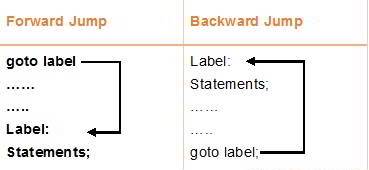
Goto Statement | Hexainclude
goto statement in c || CseWorld Online When a goto statement is encountered in a C program, the control jumps directly to the label mentioned in the goto statement Syntax goto label_name; .. .. label_name: C-statements
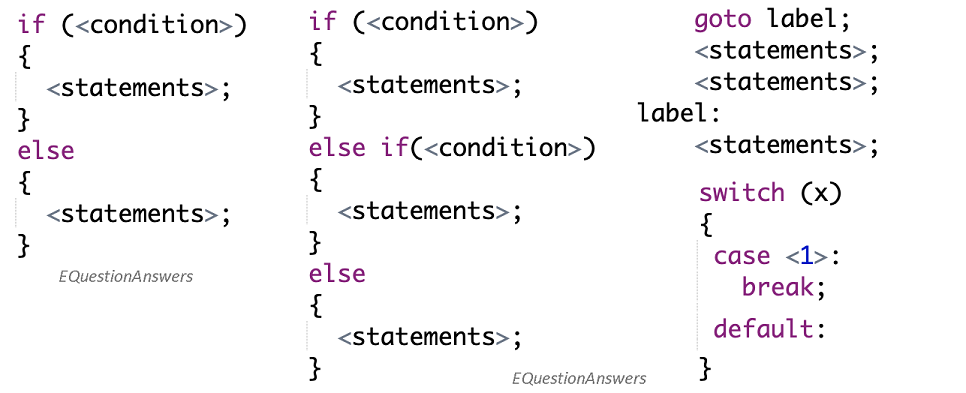
Why is C called a structured programming language?

Goto Statement in C with Example - YOC

Goto Statement in C Programming

Control And Looping Statements In C. - PowerPoint Slides

GoTo Statement | Excel VBA Tutorial

Goto statement | i2tutorials

Goto and Labels in C Programming Language
Goto Statement in C | How does goto statement Works in C ...

C Programming Tutorial 3-10: goto & labels
goto statement in C++
What is a goto statement real life example? - Quora
Solved 1. (50pts) Please re-write the following C code ...

goto Statement in C - Scaler Topics
Solved Problem: Convert a C program to a | Chegg.com

Goto Statement in C programming in Hindi with example | Theory + Program Explain
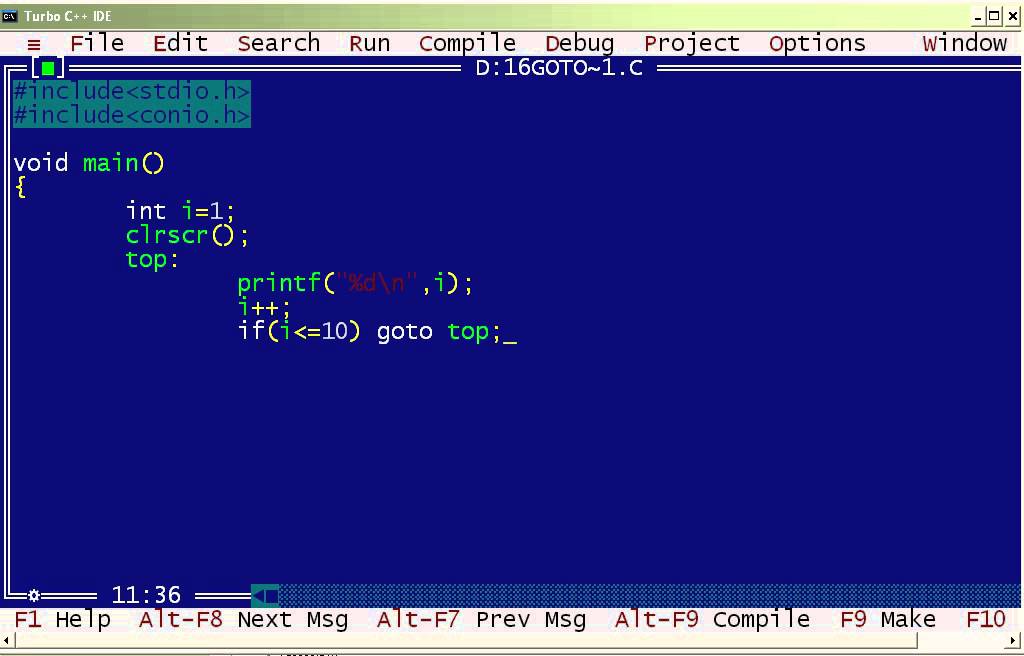
goto function
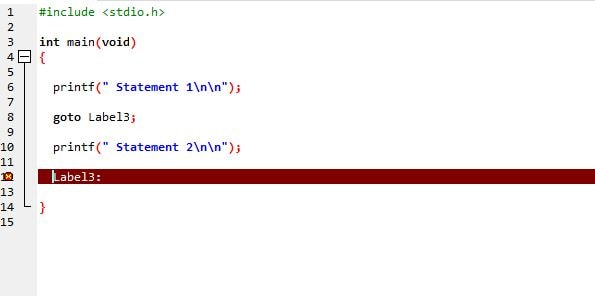
Use of goto statement in C programming - Aticleworld

write a program to show your name, age and class according to ...
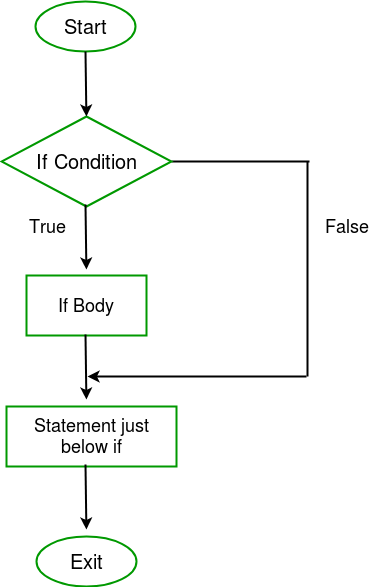
Decision Making in C / C++ (if , if..else, Nested if, if-else ...

break and continue in c programming | goto statement |

Goto Statement - an overview | ScienceDirect Topics

Goto Statement in C Language with Examples - Dot Net Tutorials
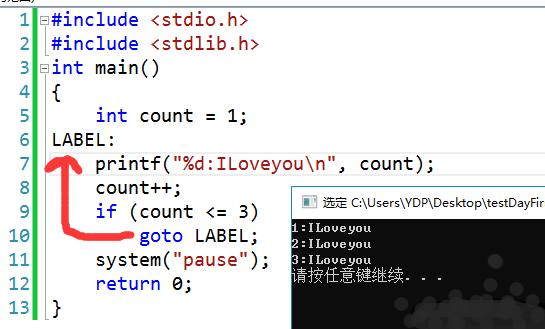
C语言备受争议的冷门知识goto语句,"慎用"非"禁用 ...

Goto statement in C++ Example | C++ Goto Statement Program

C++ goto Statement
Goto Statement in C# | Know Primary Purpose of Goto Statement ...
C goto Statement - AlphaCodingSkills
goto statement in C and C++
Post a Comment for "42 goto and labels in c"