42 how to find glycemic index on food labels
Glycemic Index: Everything You Should Know - Working for Health The Glycemic index helps to measure the amount of potential a particular food item has to raise your blood sugar. Hence, the glycemic index helps to segregate different food items that have carbohydrates according to the potential with which they could [1] raise the blood sugar levels in your body. The major reason behind the difference in the ... Why Glycemic Index Is Important - Artinci Glycemic Index (GI) is an indicator of how quickly the food you are eating causes a rise in blood sugar. It is a scale from 0 to 130, on which foods are listed. Foods that have a smaller GI value (0-55) are called Low Glycemic Index foods, while foods that have a higher GI Value (>70) are termed High Glycemic Index.
The truth about the Glycemic Index- debunking popular myths Learn everything you need to know about this popular diet trend and find out whether it's right for you. Do you know what the glycemic index is and how it works? Learn everything you need to know about this popular diet trend and find out whether it's right for you.

How to find glycemic index on food labels
Glycemic Index: Determining High vs. Low Glycemic Foods The glycemic index ranges from 0-100: High GI = 70 to 100. Medium GI = 50 to 70. Low GI = below 50. Meanwhile, GL is determined by how much carbohydrate is in an individual serving of a food. The glycemic load is determined by multiplying the grams of a carbohydrate in a serving by the glycemic index number, then dividing the total by 100. Sweeteners And Their Glycemic Index: A Comparison The Glycemic Index is the primary metric to assess how a particular food affects blood sugar levels (GI). The rate at which a specific quantity of the carbs in a sweetener will raise blood sugar determines that sweetener's Glycemic Index. That prescribed quantity in testing is 50g of carbs. Glycemic index chart - Complete (600+) list from all sources. - Food Struct Glycemic index chart - Complete (350+) list from all sources. Our glycemic index chart of over three hundred foods and beverages has been collected by looking at all reliable sources available from researchers. The majority of our glycemic index values are taken from The International Tables of Glycemic Index Values.
How to find glycemic index on food labels. What Is Glycemic Index & List Of Foods With Their GI - STYLECRAZE Worry not! In the following sections, we have listed groups of ingredients that have low and high glycemic indices. Keep this in mind while looking at the charts: High GI: Food is assigned a value of 70 or higher. Medium GI: Food is assigned a value of 56-69. Low GI: Food is assigned a value of 55 or less. Common Foods on the Glycemic Index - WebMD Counting carbs. Avoiding processed foods. Meal prep. Making two meals -- one for me, one for my family. Extremely Low Glycemic Index Foods - Diabetes Guide This is an extensive list of meats, vegetables, fruits, fish, poultry and fats that are very low glycemic. On the table below you will see them listed with numerical values like 0 or under (or less than) 20 or < 20, the numbers vary up to < 40 but any number under 55 is considered low on the usual glycemic index charts.. These foods are low glycemic because they contain few or no carbohydrates ... 10 Low Glycemic Index Foods To Prevent Blood Sugar Spikes Best Low Gi ... Learn more about the low gi food list to prevent blood sugar spikes- ideal for low gi diet plan-beat diabetes naturally https- 10 Low Glycemic Index Foods To Pr
Glycemic Index Testing in Food Science Nutrition Research Glycemic Index Testing is used to rank food containing carbohydrates based on their impact on a person's blood sugar and insulin. Foods with a high Glycemic Index raise a person's blood sugar more than foods with a lower GI. The scale goes from 0-100 with pure sugar being 100. This scale helps determine how fast the carbohydrates in food ... How Glycemic Index Impact Fruits and Vegetables - HealthifyMe To establish whether a fruit or vegetable is low, medium, or high on the GI, utilise the following ranges: A low Glycemic Index value is 55 or less. Medium: 56 to 69. High: 70 or higher. You can also use the Glycemic Load chart to understand better how a specific food portion may impact your sugar level. Glycemic Index List - Diabetes Guide Below you will find a list of common foods with the glycemic index for each. A food with a glycemic index of less than 55 is considered a low glycemic food while 56 to 69 is moderate and over 70 is considered high. As you can see many vegetables, fruits and beans are relatively low on the glycemic index of food. Most protein foods (such as meat ... Low Glycemic Fruits For Diabetics - TheSuperHealthyFood Another great monsoon fruit for diabetics is pear or nashpati. Diabetics are recommended to have foods that are rich in fibre and have a moderate glycemic index. Pears are full of fibre content and are known to help with weight management. They have a low GI of under 40, making it ideal for those with diabetes. 4.
How Glycemic Index Impact Fruits and Vegetables Glycemic Index is the value that shows the impact of a food on your blood glucose levels. It assists in understanding how your glucose levels would respond to a particular food. It can be crucial for controlling many diseases, such as diabetes and maintaining optimal health. Therefore, Glycemic Index can be a helpful tool for comprehending the ... The Glycemic-Index Diet and How It Helps Blood Sugar Cells need insulin to be able to absorb glucose; it essentially acts as a key that opens the door to let in the energy-providing glucose. "Eating high glycemic-index carbs can cause high blood ... What Is the Glycemic Index of Popcorn? - Best Corn Popper 70 to 100: High glycemic index. Popcorn from the corn variety zea mays everta has a glycemic index of about 55-65, depending on the popping method and the type of oil or flavorings used. It is considered a moderate glycemic index food. People with diabetes are advised to consume foods with low to moderate glycemic indexes. List Of Fruits With Low Glycemic Index - TheSuperHealthyFood 1) Apples. Apples have a glycemic index of 39, making them a good low-GI fruit for people with diabetes. Fresh apples with the skin are ideal since they are higher in fiber than more processed forms of apples, such as apple sauce. Apples are rich in fiber, with around 4.5 grams in a medium apple.
What is Glycemic Index? Why it is relevant for Diabetics?
Almond Milk Glycemic Index (You Asked!) - UpThirst The lower the glycemic index, the slower the absorption and the less likely the food is to cause a spike in blood sugar levels. Sweetened almond milk has a glycemic index of 45, which is considered medium glycemic. 2 One cup of almond milk generally contains 4 to 7 almonds, depending on the brand. Almond milk is a good choice for people who are ...

What Is The Glycemic Index?
Honey Glycemic Index - Is Honey Bad for Diabetics? - Kiva The glycemic index of Manuka honey is 57. While it does fall in the moderate range, it is on the lower end of this scale, making it a more suitable choice for diabetics, especially compared to refined sugar which typically has a GI rating of 65. While consuming Manuka honey might not raise your blood sugar levels as much as other sweeteners ...

Glycemic Index Cookbook For Dummies: Rosanne Rust, Meri ...
Glycemic index chart - Complete (600+) list from all sources. - Food Struct Glycemic index chart - Complete (350+) list from all sources. Our glycemic index chart of over three hundred foods and beverages has been collected by looking at all reliable sources available from researchers. The majority of our glycemic index values are taken from The International Tables of Glycemic Index Values.
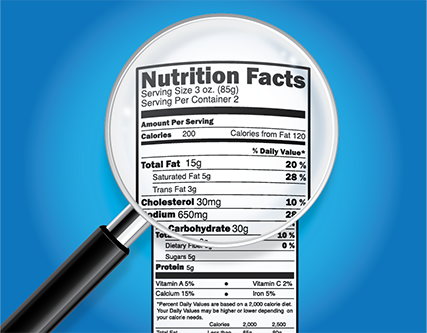
Eat Well | Living with Diabetes | Diabetes | CDC
Sweeteners And Their Glycemic Index: A Comparison The Glycemic Index is the primary metric to assess how a particular food affects blood sugar levels (GI). The rate at which a specific quantity of the carbs in a sweetener will raise blood sugar determines that sweetener's Glycemic Index. That prescribed quantity in testing is 50g of carbs.

How to calculate the glycemic index from food labels?
Glycemic Index: Determining High vs. Low Glycemic Foods The glycemic index ranges from 0-100: High GI = 70 to 100. Medium GI = 50 to 70. Low GI = below 50. Meanwhile, GL is determined by how much carbohydrate is in an individual serving of a food. The glycemic load is determined by multiplying the grams of a carbohydrate in a serving by the glycemic index number, then dividing the total by 100.
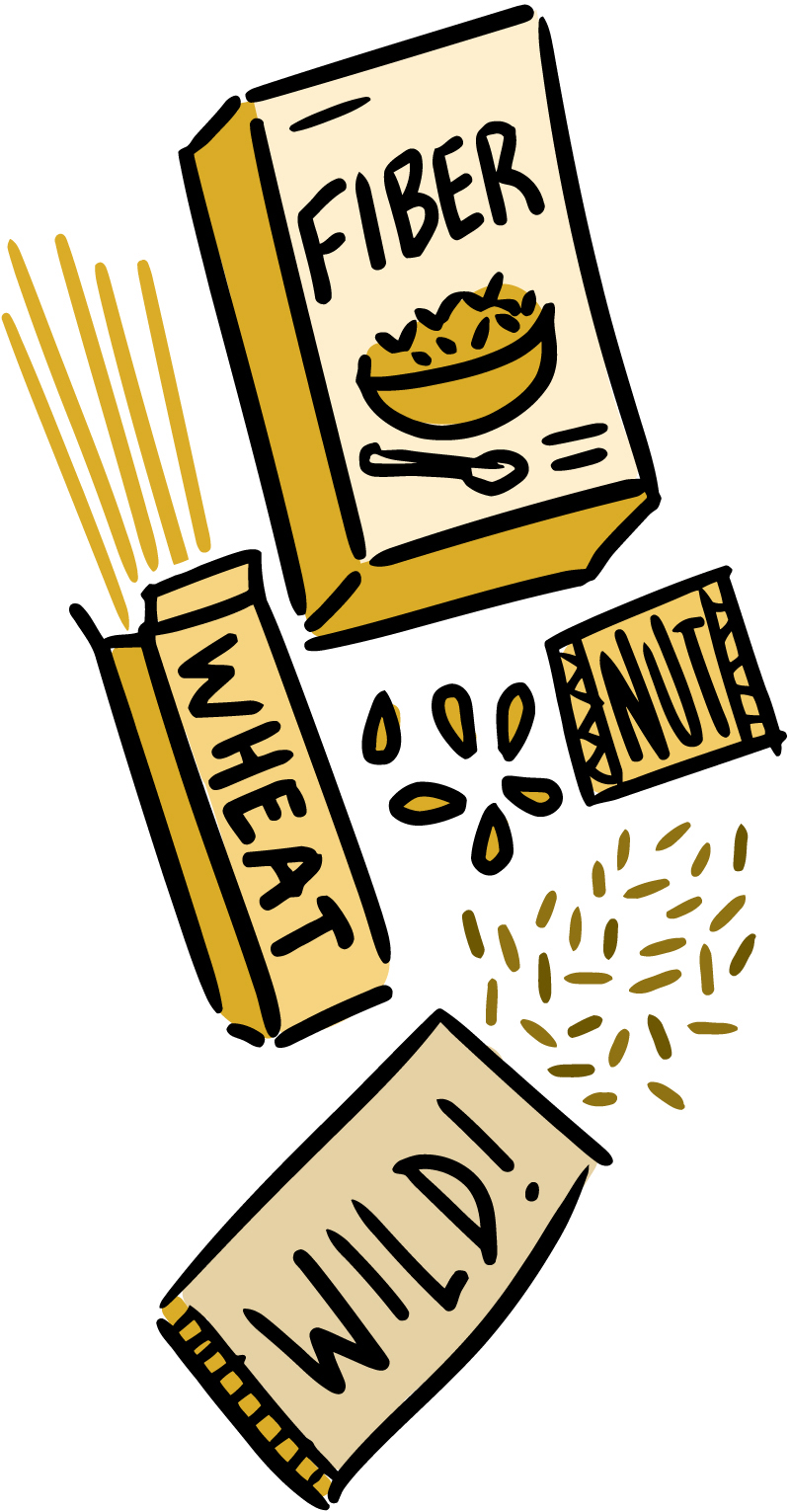
Counting Carbs? | NIH News in Health

Glycemic index label hi-res stock photography and images - Alamy

Understanding food labels | Diabetes UK

Glycemic Index Key to Healthy Carbohydrate? Beyond High vs Low

Effect of low glycaemic index or load dietary patterns on ...

Labeling of Health and Nutrition Claims | Food Safety

What is the Glycaemic Index?

Reading food labels & nutrition panel - Diabetes Queensland

Study questions reliability of glycemic index | Food Business ...

Low glycemic index treatment (LGIT) for epilepsy

Low And Slow May Be The Way To Go When It Comes To Dieting ...

What is the Glycemic Index?

Glycemic Index 101: What It Is and Why It Matters
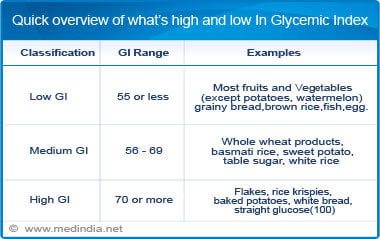
Glycemic Index Calculator
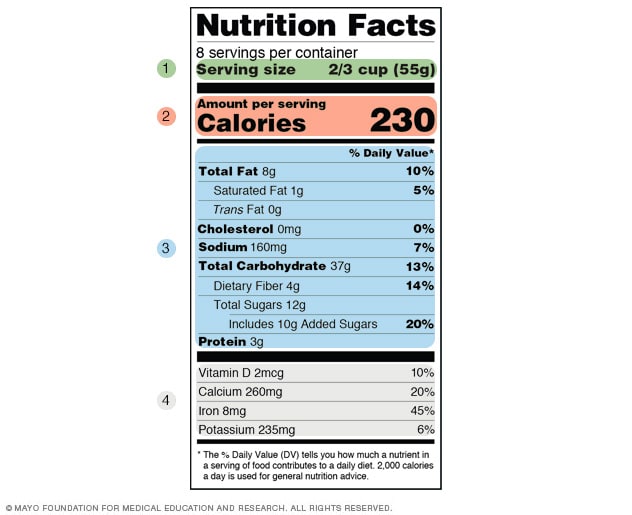
Reading food labels: Tips if you have diabetes - Mayo Clinic
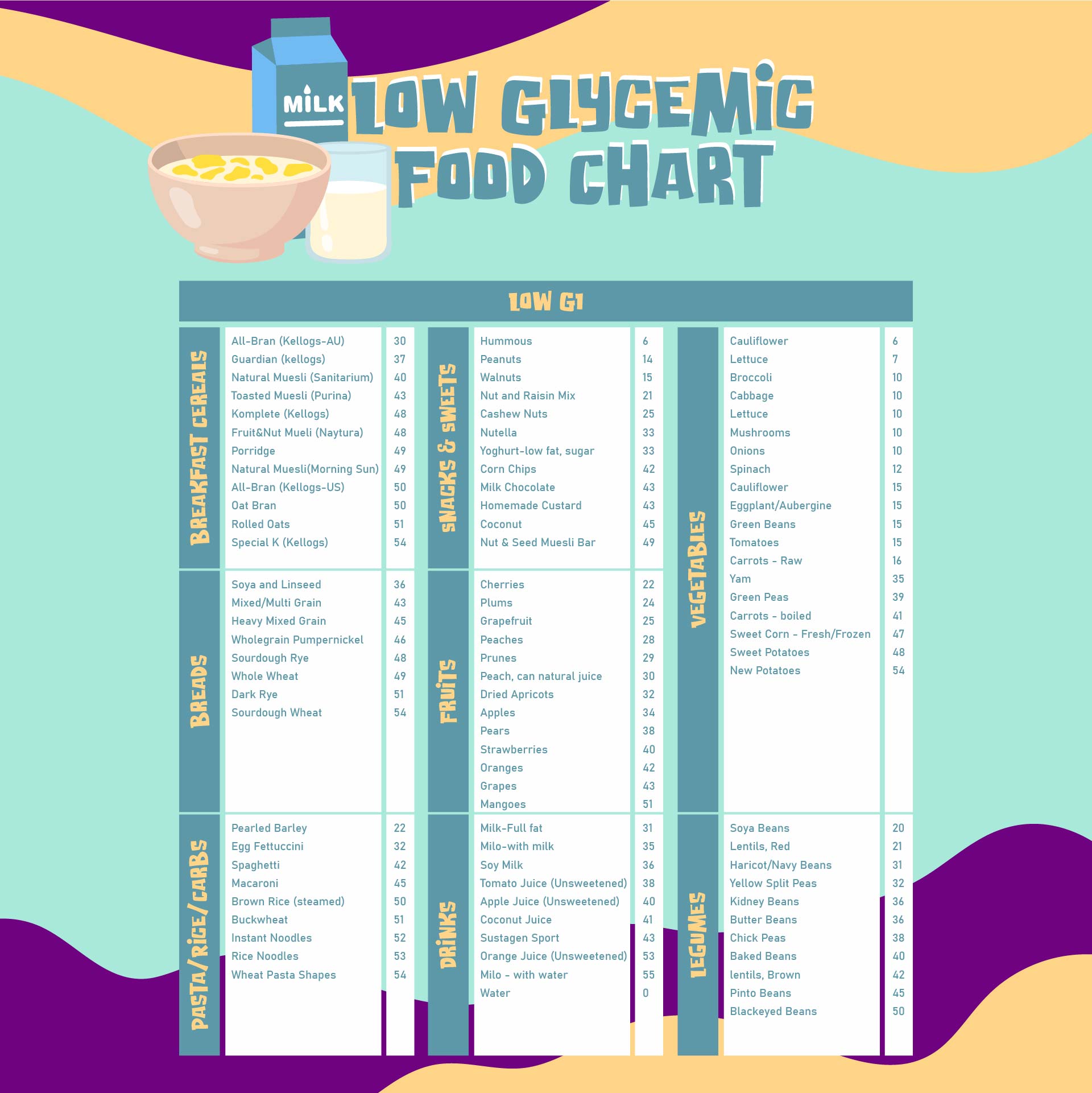
10 Best GI Of Food Chart Printable - printablee.com
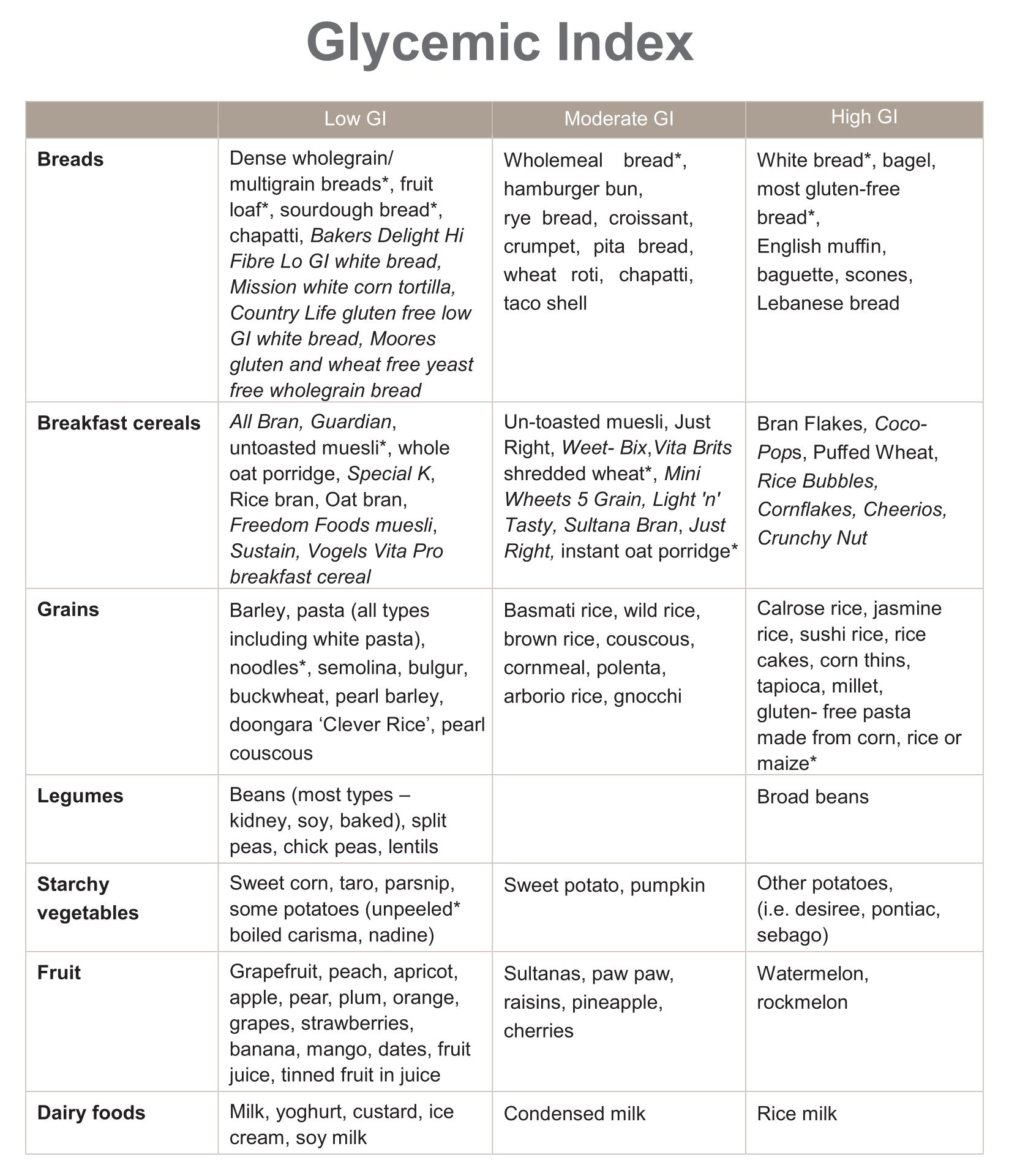
10 Best Printable Low Glycemic Food Chart - printablee.com

The Glycemic Index Diet For Dummies

Here's What You Need to Know About the Glycemic Index | SELF
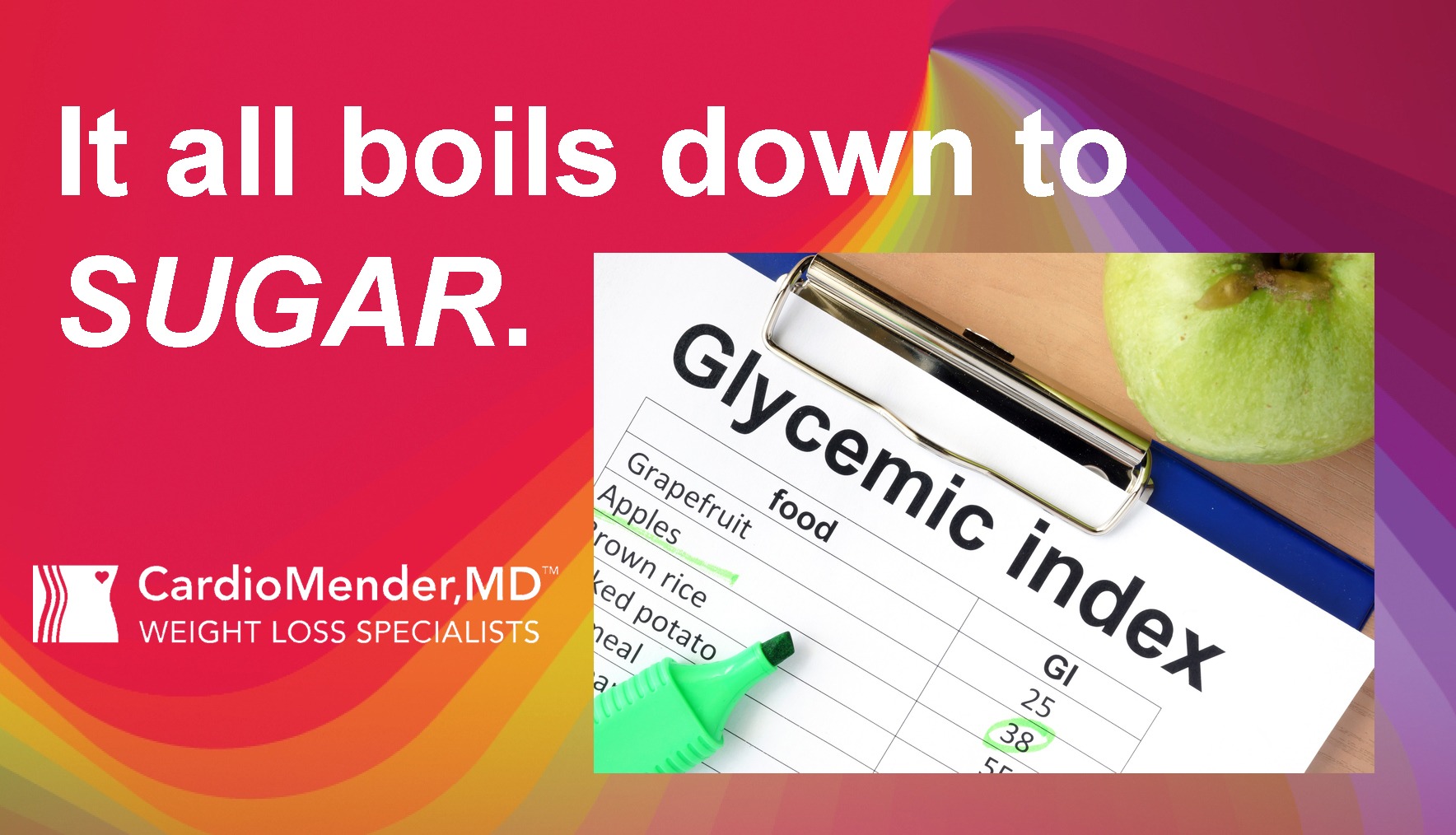
What is Glycemic Index | How to Calculate Net Carbs ...
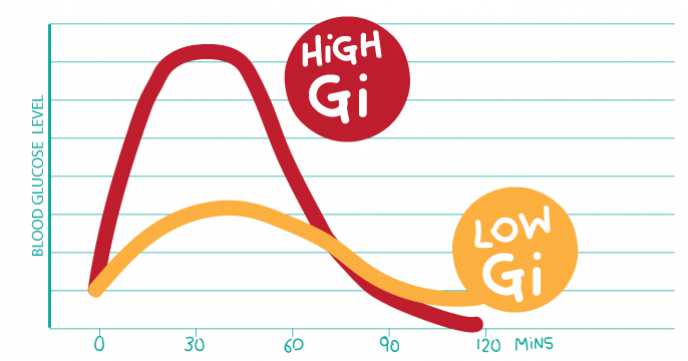
Glycaemic index labeling and related claims – FOOD LAW LATEST

Potential contributions of the methodology to the variability ...

Reading Food Labels | GI Foundation
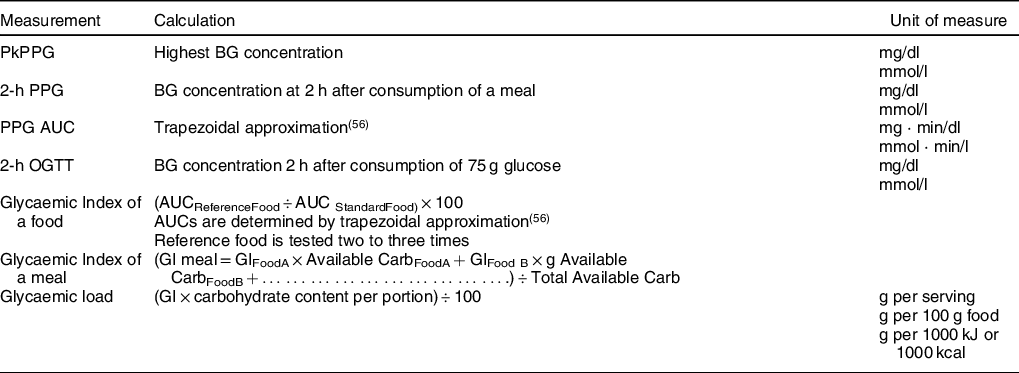
Global evaluation of the use of glycaemic impact measurements ...

500 Low Glycemic Index Recipes : Fight Diabetes and Heart Disease, Lose Weight and Have Optimum Energy with Recipes That Let You Eat the Foods You ...

PDF) Glycemic index of commonly consumed carbohydrate foods ...
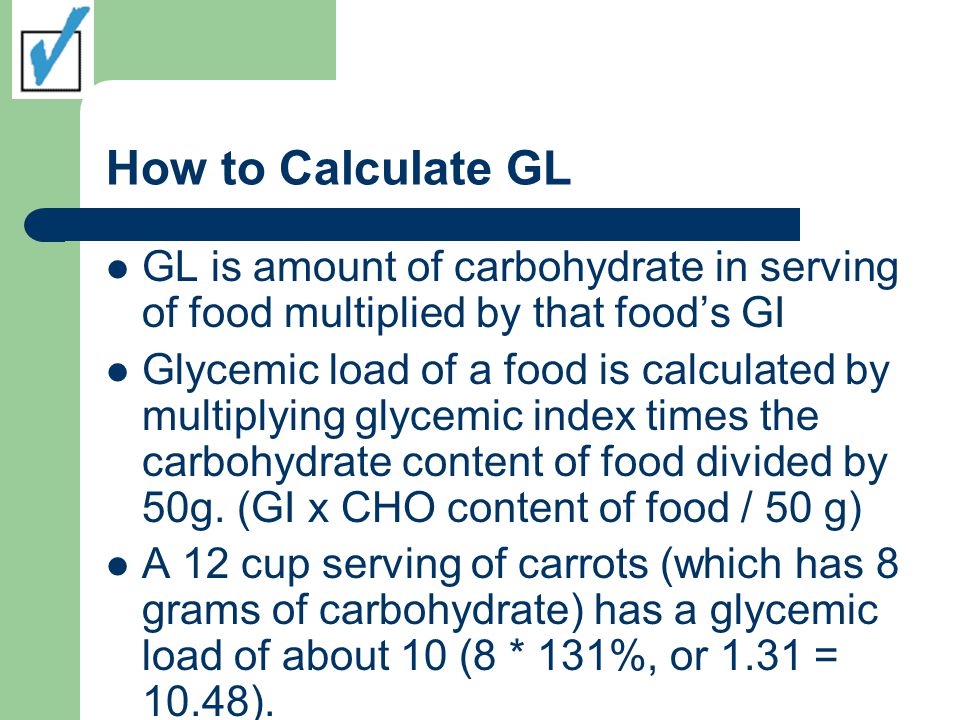
Glycemic Index & Glycemic Load Going for the 3 Increases ...
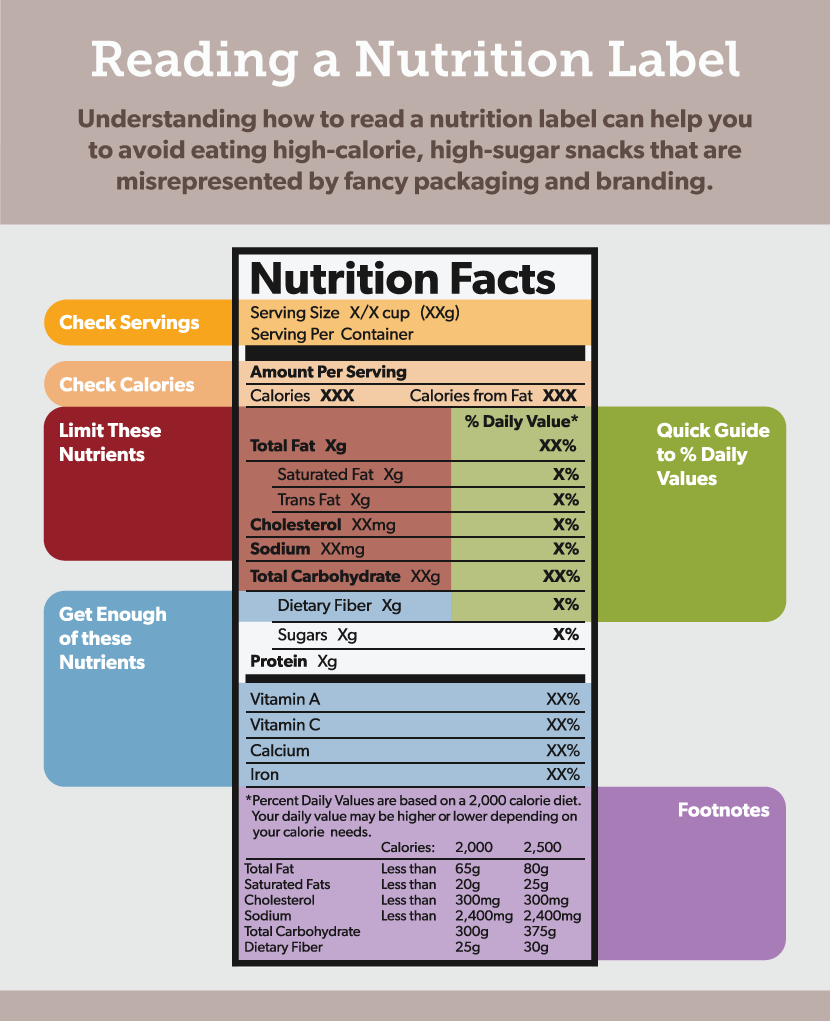
Foods That Seem Healthy But Are Not | Fix.com
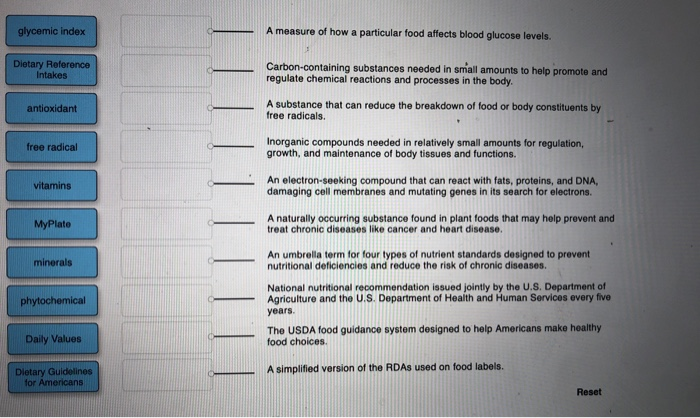
Solved glycemic index A measure of how a particular food ...

Glycemic Index – Nutreat

What is the glycemic index? Definition, foods, and more
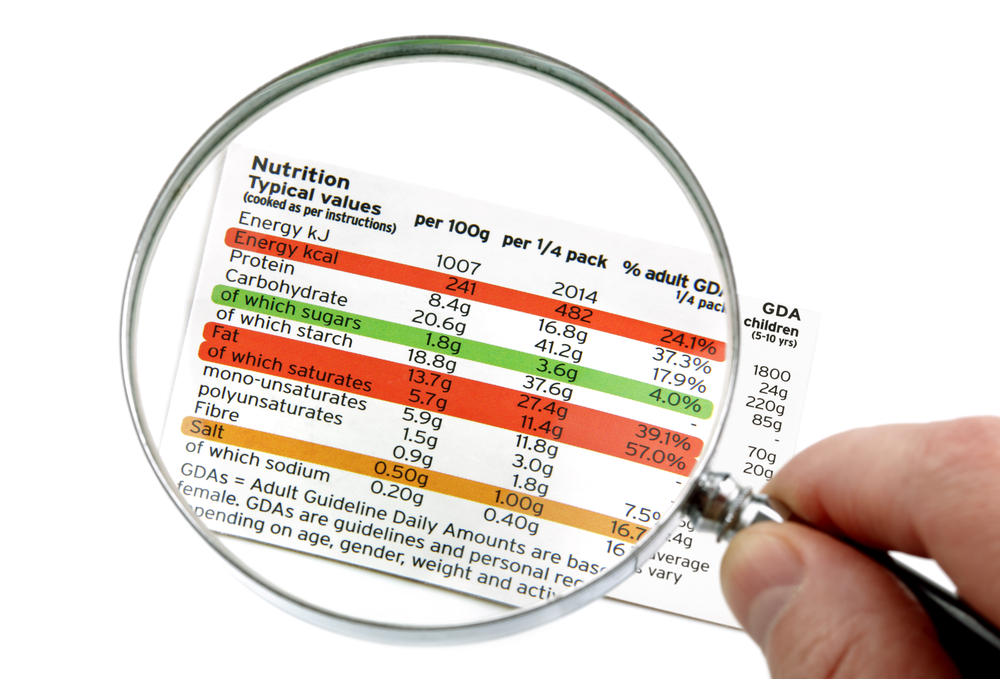
What's in your food? | My Diabetes My Way eLearning
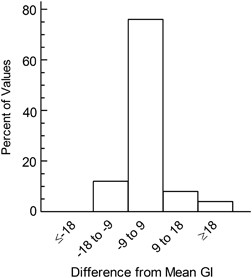
Glycemic index claims on food labels: review of Health ...
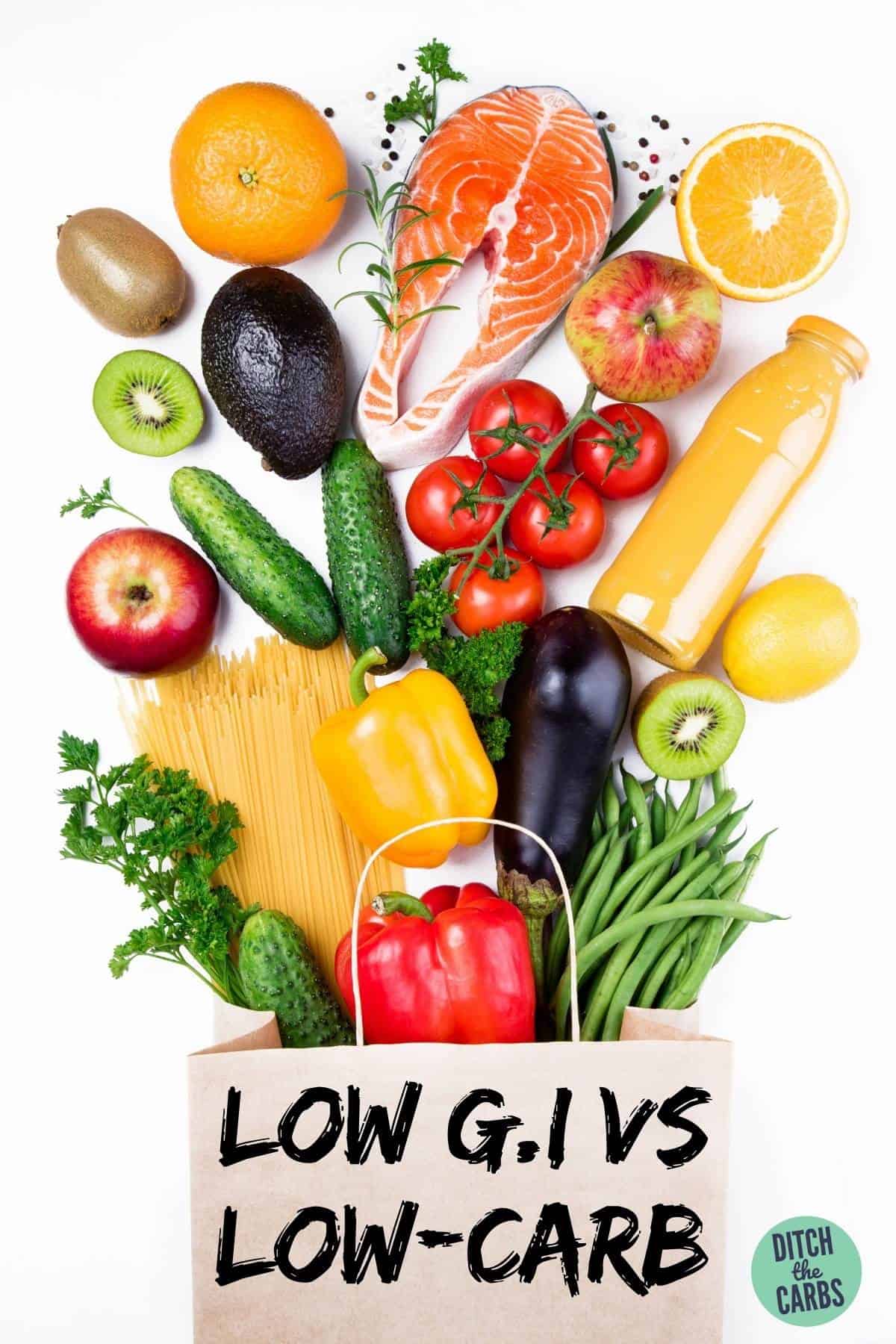
Low Glycemic Diet Or Low-Carb Diet (Which Is Best?) – Ditch ...

54 Glycemic Index Illustrations & Clip Art - iStock

High Variability in Glycemic Index Values Leads to Low ...
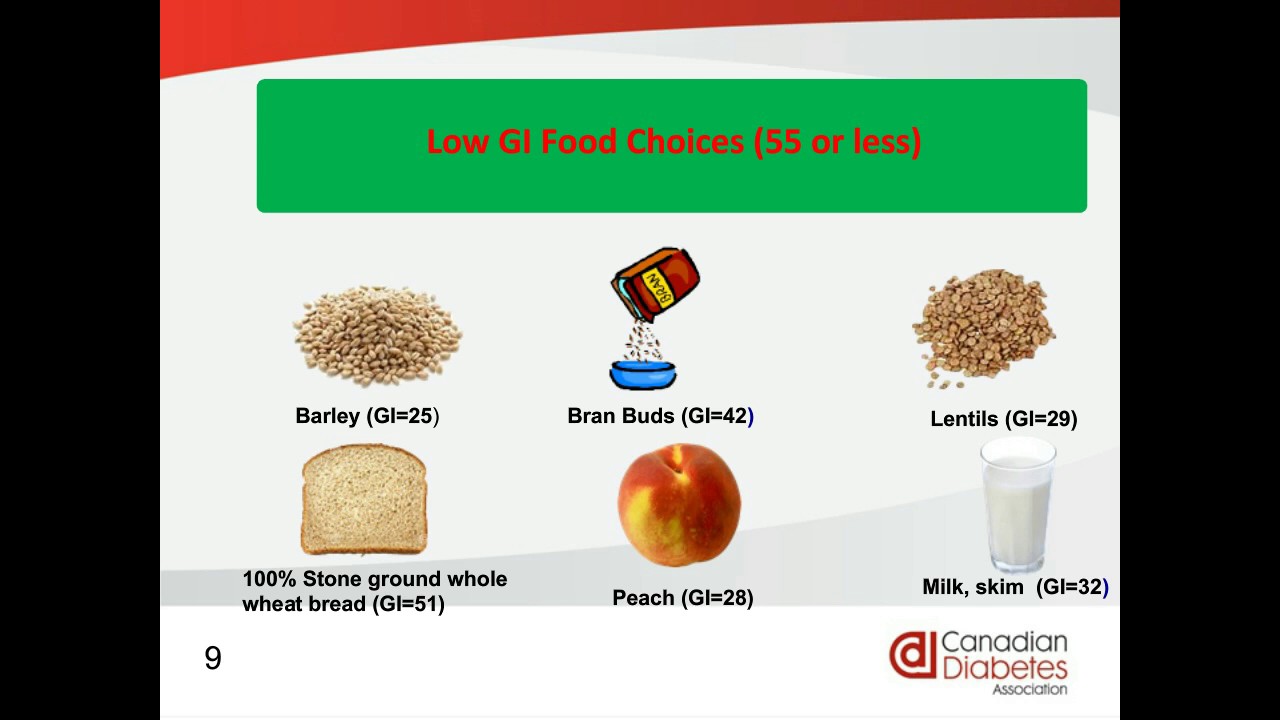
What is the Glycemic Index?
Post a Comment for "42 how to find glycemic index on food labels"